The Herdmans investigate King Herod
The Best Christmas Pageant EverThe Herdmans investigate King Herod when a question about the ruler who pursued Jesus exposes how little the surrounding adults know about him. Their search takes them from the public library to Christmas pageant rehearsal, where what they learn becomes a demand to rewrite the story’s ending. The episode makes their blunt response to violence a force that unsettles the pageant’s familiar script, even as the Herdmans continue to follow its rehearsals and assigned roles.
The question that starts the search
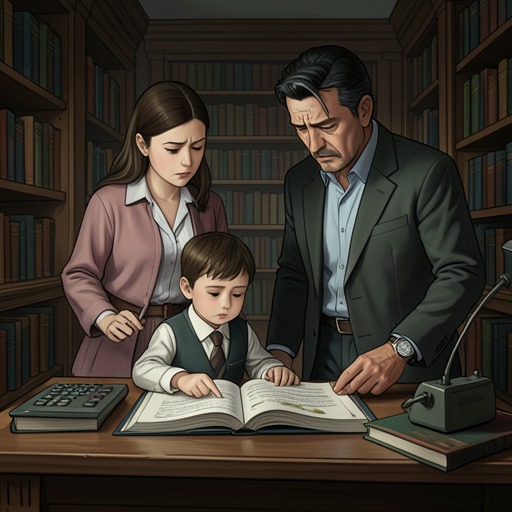
The investigation begins with a conversation at home. The Narrator’s Father looks up from his newspaper and asks what happened to Herod. No one can answer. For the narrator, Herod has been no more than a name, compressed into the vague figure of Herod the king. The gap in everyone’s knowledge is the opening the Herdmans act on: rather than letting the question pass, they go and look him up.
The next day, Imogene Herdman stops the narrator at recess to ask how to get a book out of the library. Her question initially seems suspicious to the narrator, who assumes she might be after books kept in the basement. The narrator explains that a library card requires a signature so the library can keep track of borrowed books, but doubts that Imogene Herdman will be allowed to borrow anything. The suspicion reflects the Herdmans’ reputation; it also misreads the purpose of this particular request. They are not seeking the books the narrator expects. They want to learn about Jesus and, more specifically, the king who tried to get him.
All six at the library
That afternoon, all six Herdman children arrive together and ask Miss Graebner for library cards. The request meets a different response from the welcome she usually gives children: instead of smiling and saying that all boys and girls should have cards, she asks the Herdmans why they want them. Imogene Herdman explains that they want to read about Jesus. Ralph Herdman clarifies that they mean Herod, the king who was after Jesus.
The exchange surprises Miss Graebner because the children’s interest is so unexpected to her. After thirty-eight years as a librarian, she tells the Narrator’s Mother that Imogene Herdman’s request has made her feel she has heard everything there is to hear. The irony is pointed: the children who are usually met with suspicion have come to the library with a specific question about the Christmas story. Their inquiry is not presented as a general enthusiasm for reading; it grows directly out of the problem of understanding Herod and what became of him.
What the Herdmans learn—and object to
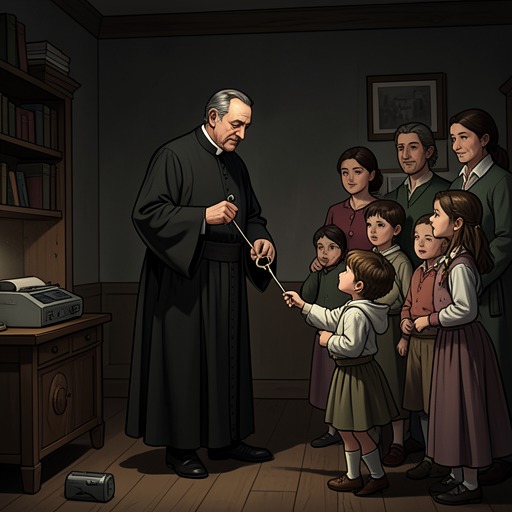
At the next rehearsal, the Narrator’s Mother again begins dividing the participants into angels, shepherds, and guests at the inn. The Herdmans interrupt that routine with a proposal to rewrite the whole pageant and hang Herod at the end. They cannot accept that he died in bed of old age. Their research has changed the way they hear the story: Herod is no longer a distant name, but a violent ruler whose ending seems to them out of proportion to his deeds.
Ralph Herdman tells the others that Herod was after more than Jesus and killed many people. Leroy Herdman adds that Herod even killed his own wife. When someone points out that Herod did die, and asks what he died of, Ralph Herdman can only guess at an illness. The information they have found has therefore sharpened their indignation without giving them a satisfying account of Herod’s final days. Their proposed hanging is an attempt to supply the decisive punishment they believe the story has failed to provide.
Rehearsal, persistence, and the story’s tension
The Herdmans’ anger is strong enough that the narrator thinks they might quit the pageant. They do not. They keep coming to rehearsals, arrive on time, and do what they are supposed to do; their insistence on changing Herod’s fate coexists with their continued participation in the established production. This contrast matters: they challenge the pageant’s treatment of its story, but do not abandon the shared activity when their preferred ending is not adopted.
The episode also places the Herdmans’ curiosity beside the community’s expectations of them. The librarian hesitates over their request, the narrator initially assumes a disreputable motive, and some people hope the children will tire of rehearsals and leave. Yet the search begins with a real question, proceeds through the public library, and carries into the pageant as a demand to take Herod’s violence seriously. The investigation does not simply add information about a biblical character; it exposes the distance between a familiar performance and the troubling consequences its audience may have stopped examining.